What is Lean Six Sigma & what can it do for your business?
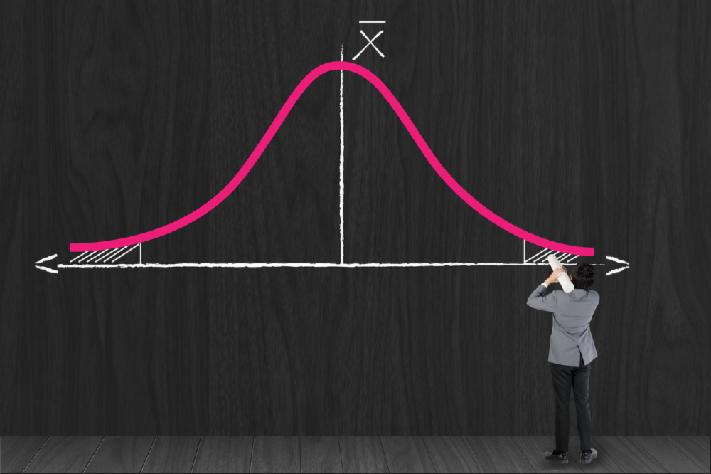
Lean Six Sigma Graph
Shaded area predicting 3.4 defects-per-million opportunities (DPMO)
Lean Six Sigma is a combination of two methodologies “Lean & Six Sigma”.
Lean reduces waste (MUDA) from a process of which there are seven types:-
• Transport - avoid moving parts or products unless they are required for the next stage of process
• Inventory - avoid excess stock of goods waiting to be bought by the Customer
• Motion – people walking or equipment moving more than is required to perform the process
• Waiting - for the next process or interruptions to production during shift changes
• Overproduction - production ahead of demand
• Over Processing – due to poor tool or product design creating excess processing
• Defects – wasted effort inspecting and correcting them
Lean Six Sigma is a powerful problem solving tool that can be applied to any business or process based on the normal distribution or “bell curve” predicting 3.4 defects-per-million opportunities (DPMO) for processes that have at least six standard deviations (Six Sigma) between the process mean and the nearest specification limit.
A Six Sigma process has extra “cushion” between the outer extremes of the process results and the specification limits, so the process can drift over time without creating defects.
Typically businesses improve up to 25% due to incorrect data.
Lean Six Sigma Resolutions are able to identify potential savings of up to 20 times cost of engagement.